Manufacturing Industry Basics for 2026
You engage with the manufacturing industry daily, whether you realize it or not. It transforms raw materials into finished goods using machinery, equipment, labor, and technology. This industry plays a vital role in the economy by creating jobs and driving technological advancements, making it a cornerstone of modern society.
Key Takeaways
The manufacturing industry is essential for job creation and economic growth, integrating advanced technologies like AI and IoT to enhance productivity.
CNC machining, 3D printing, and injection molding are key processes that improve efficiency and allow for customization in manufacturing.
Sustainability challenges drive manufacturers to adopt innovative solutions, such as water-based cleaning agents, to reduce environmental impact and promote a healthier workplace.
Manufacturing Processes
CNC Machining
CNC machining stands for Computer Numerical Control machining. This process uses programmed codes to cut, drill, and shape materials like metal, wood, and plastic. Industries such as aerospace, automotive, and energy rely heavily on CNC machining for precision parts. You can find various types of CNC machines, including:
CNC milling machines
CNC lathes
CNC routers
5-axis CNC machines
These machines enhance productivity and accuracy in manufacturing.
3D Printing
3D printing has revolutionized the manufacturing industry. This additive manufacturing technique allows you to create complex parts without molds. You can produce electronic components, machine parts, and even prosthetics for the medical field. The benefits of 3D printing include:
On-demand production, reducing waste
Cost-effective prototyping for testing
Enhanced customization and flexibility
This technology supports innovative designs and efficient production methods.
Injection Molding
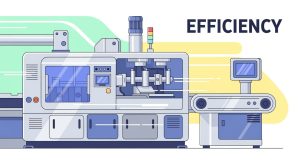
Injection molding is another key manufacturing process. It involves injecting molten material into a mold to create parts. This method is widely used for producing plastic components. You can find injection molding in various products, from household items to automotive parts. The process allows for high-volume production with consistent quality.
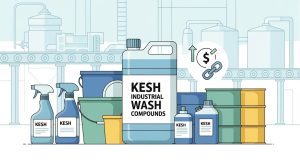
Water-based cleaning agents play a crucial role in these manufacturing processes. They help maintain equipment and ensure product quality. These agents are safer and more environmentally friendly than traditional solvents. They effectively remove contaminants without harming the materials or the environment.
Economic Role of the Manufacturing Industry
Job Creation
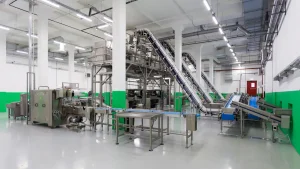
You might wonder how the manufacturing industry impacts employment. Industry 4.0 is reshaping the workforce landscape by integrating technologies like the Internet of Things, AI, and machine learning into production facilities. This transformation enhances efficiency and productivity, creating a demand for professionals skilled in both engineering and digital systems. As companies embrace smart factory technologies, you see a shift in job creation, with roles focusing more on managing automated systems and data analytics.
GDP Contribution
The manufacturing industry significantly contributes to the GDP. It drives economic growth by producing goods that meet consumer demand and by exporting products globally. When you consider the industry’s impact, you see how it supports other sectors, such as transportation and retail, by providing essential products and materials. This interconnectedness amplifies its contribution to the economy, making it a vital component of national and global economic health.
Technological Advancements
Technological advancements in the manufacturing sector have revolutionized production capabilities. You can see this in the adoption of smart factories, which integrate various technologies for real-time data analysis and automation. Here’s a table highlighting some key advancements:
Technological Advancement | Description |
|---|---|
Internet of Things (IoT) | Enhances communication between objects, improving efficiency and data analysis in manufacturing. |
Artificial Intelligence (AI) | Utilizes data for intelligent machine learning, optimizing manufacturing processes. |
3D Printing | Allows for rapid prototyping and customization of products, transforming production capabilities. |
Predictive Maintenance | Uses data to anticipate equipment failures, reducing downtime and maintenance costs. |
Smart Factories | Integrates various technologies for real-time data analysis and automation in manufacturing. |
These advancements not only improve productivity but also enhance product quality. For instance, automation and machine vision increase efficiency, while AI-powered insights minimize errors. You benefit from these innovations through better products and more efficient production processes.
Trends in the Manufacturing Industry
Digital Transformation
Digital transformation is reshaping the manufacturing industry. You see this shift as companies integrate technologies like the Internet of Things (IoT), artificial intelligence (AI), and automation into their operations. These technologies enhance efficiency and improve decision-making. For instance, the AIoT market is projected to reach 896.8 billion USD by 2026, reflecting the growing importance of AI in manufacturing. Smart factories leverage IoT sensors to monitor conditions, while AI predicts and resolves issues in real-time. This integration allows for predictive maintenance, reducing downtime and enhancing productivity.
Huawei’s initiatives in combining Information and Communication Technology (ICT) with Operational Technology (OT) highlight the necessity of digital transformation. This integration is vital for maintaining competitiveness in the global market. As you observe these changes, you realize that manufacturers are not just adopting new tools; they are fundamentally changing how they operate.
Sustainability Challenges
Sustainability remains a pressing challenge for the manufacturing industry. You might wonder what specific issues manufacturers face. Here are some key challenges:
Efficient resource management
Reducing greenhouse gas emissions
Ensuring cleaner, more energy-efficient production
Compliance with stringent environmental regulations
Meeting consumer expectations for environmentally responsible products
To address these challenges, manufacturers are adopting innovative strategies. They utilize analytics and AI to optimize production processes. For example, Pacific Textiles has invested in advanced equipment to enhance energy efficiency and wastewater treatment. Similarly, Walton Hi-Tech Industries has set ambitious targets to reduce greenhouse gas emissions, aligning with Bangladesh’s environmental goals.
Innovations in Cleaning Agents
Innovations in cleaning agents are also transforming the manufacturing landscape. Water-based cleaning agents have emerged as a safer and more environmentally friendly alternative to traditional solvent-based agents. These agents effectively remove contaminants while minimizing harmful emissions.
Cleaning Agent Type | Effectiveness | Environmental Impact |
|---|---|---|
Water-based | Powerful cleaning performance | Environmentally friendly, reduces VOCs |
Solvent-based | Less efficient, exposes to harmful chemicals | Higher safety hazards, more waste production |
You can see that water-based cleaning agents not only perform well but also contribute to a healthier workplace and environment. As manufacturers prioritize sustainability, these innovations play a crucial role in reducing their overall environmental footprint.
The manufacturing industry plays a crucial role in shaping our economy. You see how advancements in technology, such as automation and the Internet of Things, enhance efficiency and competitiveness. As you consider the future, remember that sustainability and digital transformation will drive the industry’s evolution. Embrace these changes, as they will impact your life and the economy significantly.
FAQ
What is the primary role of the manufacturing industry?
The manufacturing industry transforms raw materials into finished goods, driving economic growth and job creation.
How does digital transformation impact manufacturing?
Digital transformation enhances efficiency, improves decision-making, and integrates technologies like IoT and AI into manufacturing processes.
Why are water-based cleaning agents important?
Water-based cleaning agents are safer and environmentally friendly, effectively removing contaminants while minimizing harmful emissions.