
Best practices for choosing industrial cleaning products
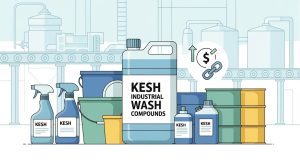
Choosing the right industrial cleaning solution is crucial for maintaining a safe and efficient workplace. Effective cleaning not only enhances safety but also boosts compliance with health regulations and supports environmental sustainability. With so many options available, how do you determine which products best suit your unique needs?
Benefit | |
|---|---|
Enhanced Energy Efficiency | Reduces operational costs and carbon footprint, aligning with sustainability goals. |
Improved Product Quality | Ensures products meet safety standards, thus maintaining compliance with health regulations. |
Ensured Health & Safety Compliance | Regular cleaning prevents harmful microbial growth, protecting workforce health and avoiding legal issues. |
Environmental Sustainability | Proactive maintenance minimizes resource consumption and waste, supporting ESG goals and enhancing the facility’s reputation. |
Key Takeaways
Identify your specific cleaning needs before selecting products. This ensures you choose solutions that effectively address your unique requirements.
Review Safety Data Sheets (SDS) for all cleaning products. Understanding hazards and handling instructions promotes a safer workplace.
Consider eco-friendly options to reduce environmental impact. Organic cleaning products improve air quality and support sustainable practices.
Assessing Business Needs
Identifying Cleaning Requirements
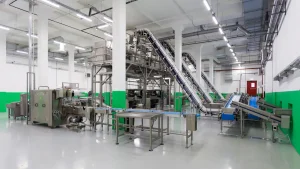
When you start selecting cleaning products, the first step is to identify your specific cleaning needs. Different industrial environments have unique requirements. For instance, manufacturing facilities often need regular cleaning to reduce dust and maintain machine efficiency. In contrast, food and beverage facilities require strict hygiene protocols to eliminate bacteria and allergens. Here’s a quick overview of common cleaning requirements across various industrial settings:
Industrial Environment | Common Cleaning Requirements |
|---|---|
Manufacturing Facilities | Regular cleaning to reduce dust and mess, ensuring machine efficiency and worker safety. |
Food & Beverage Facilities | Strict hygiene protocols, use of powerful disinfectants to eliminate bacteria and allergens, compliance with food safety regulations. |
Pharmaceutical and Medical Facilities | Highest levels of cleanliness and sterilization to prevent infections and ensure product integrity. |
Automotive/Heavy Machinery Plants | Removal of oils, grease, and hydraulic fluids to maintain equipment performance and prevent safety hazards. |
Surface Compatibility
Next, consider the surfaces you’ll be cleaning. Different materials require different cleaning products. For example, using harsh chemicals on sensitive surfaces can cause damage. Always check the compatibility of your cleaning products with the surfaces in your facility. This ensures effective cleaning without compromising the integrity of your equipment or workspace.
By assessing your specific cleaning requirements and understanding surface compatibility, you set the foundation for selecting the right industrial cleaning solution that meets your needs.
Safety and Compliance
Reviewing Safety Data Sheets
When selecting cleaning products, you must prioritize safety. One of the best ways to do this is by reviewing Safety Data Sheets (SDS). These documents provide crucial information about the chemicals in your cleaning products, including their hazards, handling instructions, and emergency measures.
Tip: Always keep SDS accessible to all employees. This ensures everyone knows how to handle chemicals safely and what to do in case of an emergency.
Here are some key elements you should look for in an SDS:
Chemical Composition: Understand what’s in the product.
Hazard Identification: Know the potential risks associated with the product.
First Aid Measures: Be prepared for any accidents or exposure.
Storage and Disposal Guidelines: Follow these to minimize risks and comply with regulations.
By familiarizing yourself with the SDS, you can make informed decisions about which industrial cleaning solutions are safe for your workplace.
Regulatory Compliance
Regulatory compliance is another critical aspect of choosing cleaning products. Different regions have specific regulations that govern the use of chemicals in industrial settings. In the United States and Europe, several standards ensure that cleaning products are safe and effective. Here’s a quick overview:
Regulatory Standard | Description |
|---|---|
Requires registration of chemical substances in the EU, focusing on safety and risk management. | |
VOC Emissions Testing | Standards for measuring volatile organic compounds in products, including specific testing methods and assessment systems. |
In addition to these standards, you should also be aware of specific testing methods, such as:
DIN EN ISO 16000-6 (VOC measurement in indoor air)
DIN EN ISO 16000-9 (emissions test chamber method)
EN 16516 (harmonized emissions testing method for building products)
Ensuring compliance with these regulations not only protects your employees but also helps you avoid legal issues down the line.
Note: Always stay updated on changes in regulations. This will help you maintain compliance and ensure the safety of your workplace.
By focusing on safety and compliance, you can confidently choose cleaning products that meet your operational needs while protecting your workforce and the environment.
Choosing Eco-Friendly Options
When it comes to selecting cleaning products, you might want to consider eco-friendly options. These products not only help you maintain a clean environment but also contribute to a healthier planet. Let’s dive into the benefits of organic cleaning products and the importance of eco-labels and certifications.
Organic Cleaning Products
Organic cleaning products are made from natural ingredients that are biodegradable and non-toxic. By choosing these products, you can enjoy several benefits:
Reduced Environmental Impact: Organic cleaning products minimize harm to the environment. They break down easily, which means they won’t linger in ecosystems or water supplies.
Healthier Work Environment: These products improve indoor air quality. They contain fewer harmful chemicals, making your workplace safer for employees.
Sustainable Practices: By opting for organic options, you support sustainable farming and manufacturing practices. This choice helps protect water resources and contributes to a healthier ecosystem.
Here are some key environmental benefits of using organic cleaning products in industrial settings:
Biodegradable cleaning chemicals are easier to dispose of, minimizing environmental harm.
These products help protect water resources, contributing to a healthier ecosystem.
Choosing eco-friendly products allows you to reduce your overall environmental impact.
Additionally, each organic component in these products must exhibit ready biodegradability according to OECD standards. This ensures that the cleaning products do not persist in the environment, further reducing their ecological footprint.
Eco-labels and Certifications
When selecting eco-friendly cleaning products, look for eco-labels and certifications. These labels indicate that a product meets specific environmental and health standards. Here are some of the most recognized eco-labels and their criteria:
Criteria | Description |
|---|---|
Minimum Risk Pesticides | Labels must indicate a pre-cleaning step for heavily soiled surfaces. |
Antimicrobial Claims | Products making antimicrobial claims must be registered or meet specific efficacy requirements. |
Fragrance and Allergen Labeling | Labels must declare added fragrances and any allergens present at 0.01% or more. |
Natural and Biobased Claims | Claims must be supported by the product containing specified percentages of natural or biobased components. |
Organic Claims | Claims must be based on certified-organic content and supported by appropriate documentation. |
pH Declaration | Products must declare their pH on the Safety Data Sheet (SDS). |
By choosing products with these certifications, you ensure that you are using the best cleaning products that are safe for both your employees and the environment.
Evaluating Efficiency and Cost
Product Performance
When you choose an industrial cleaning solution, product performance is key. You want cleaning products that effectively tackle dirt, grease, and grime. Look for products that have proven results in similar environments. For example, consider using the Heavy-Duty Cleaner for Food Processing Line and Equipment (PRO-H). This cleaner is designed specifically for food processing environments and excels at removing tough residues.
Here’s a quick comparison of some effective cleaning products:
Product Name | Description | Advantages |
|---|---|---|
Automotive Parts Cleaner – Greenex | Water Based Cleaning Solution | Green Water Treatment Program, Pollution Treatment Program |
Food Manufacturing Equipment and Processing Line Cleaner (PRO-L) | Specialized cleaner for food manufacturing | Ensures hygiene and safety |
GP-Clean | General purpose cleaner for oils and grease | Ideal for floor and wall cleaning |
Choosing the best cleaning products means considering how well they perform in your specific setting.
Total Cost of Ownership
Next, analyze the total cost of ownership (TCO) for your cleaning products. TCO includes not just the purchase price but also factors like maintenance, disposal, and potential health impacts. For instance, biodegradable products may have a higher upfront cost but can save you money in the long run by reducing waste disposal fees and improving workplace safety.
When evaluating TCO, consider these factors:
Initial Purchase Price: What will you pay upfront?
Usage Costs: How much product will you need over time?
Disposal Costs: Are there any special disposal requirements?
Health and Safety Costs: Will using safer products reduce health-related expenses?
By understanding both product performance and total cost of ownership, you can make informed decisions that benefit your business and your bottom line.
Ease of Use
Application Methods
When selecting cleaning products, consider how you’ll apply them. Different methods can significantly impact cleaning efficiency. Here are some common application methods:
Method | Description | Efficiency Impact |
|---|---|---|
Centrifugation | Separates matter of different densities, returning cleaned fluids to process | High efficiency in separating particles and oil, continuous operation |
Filtration | Uses mesh sizes to capture solids | Limited to mesh size, requires regular cartridge replacement |
Skimming | Collects oil using an oleophilic device | Limited efficiency in free oil removal, adapts to water levels |
Coalescing | Removes oil from industrial fluids | Requires pre-filtering, effective in oil removal but not for solid particles |
You might also consider these practical methods:
Immersion Cleaning: Ideal for metal parts and molds.
Wiping/Spray Cleaning: Great for electronics and residue control.
Drying Process: Use moderate-temperature hot air to minimize water marks.
Storage and Handling
Proper storage and handling of cleaning products are crucial for safety and longevity. Here are some best practices:
Always label and store cleaning chemicals to avoid accidents.
Use appropriate hazardous waste storage containers as required by OSHA and the U.S. Department of Transportation.
Store flammable and combustible cleaning chemicals in designated cabinets.
Train employees to avoid mixing cleaning agents to prevent dangerous reactions.
Planning your cleaning needs and creating a non-disruptive schedule can enhance efficiency. Consider using modern technologies, like water jetting and plant-based surface cleaners, to improve your cleaning process while ensuring lower chemical exposure and safer indoor air quality.
By focusing on ease of use, you can select the best cleaning products that fit your operational needs while keeping your workplace safe and efficient.
Supplier Support
Customer Service
When you choose industrial cleaning products, don’t overlook the importance of supplier support. Good customer service can make a world of difference. You want a supplier who is responsive and knowledgeable. They should be ready to answer your questions and provide assistance when you need it. A reliable supplier ensures you have a consistent supply of necessary cleaning products. This consistency is essential for maintaining operational efficiency and adhering to safety regulations.
Tip: Look for suppliers who offer 24/7 support. This way, you can get help whenever you need it, even during off-hours.
Training and Resources
In addition to customer service, consider the training and resources your supplier offers. Quality training can empower your staff to use cleaning products effectively and safely. Many suppliers provide training sessions, manuals, and online resources to help you understand their products better.
Here are some resources you might find helpful:
Product Manuals: Detailed guides on how to use and store cleaning products.
Online Tutorials: Video demonstrations that show proper application techniques.
Safety Training: Programs that educate your team on handling chemicals safely.
By investing time in training, you can enhance your team’s skills and ensure they use cleaning products correctly. This not only improves cleaning efficiency but also promotes a safer work environment.
Choosing the right industrial cleaning products requires a systematic approach. Here are some key takeaways:
Systematic methods boost efficiency in cleaning processes.
Proper product selection is vital based on specific cleaning needs.
Avoid common mistakes like cross-contamination and misuse of products.
Take the time to assess your needs. Making informed choices leads to improved safety, compliance, and long-term cost savings. 🌟
FAQ
What should I look for when choosing cleaning products?
You should check ingredient lists for harmful chemicals. Look for certifications that ensure safety and effectiveness.
Are biodegradable soaps effective for industrial cleaning?
Yes, biodegradable soaps can be effective. They help maintain a sustainable lifestyle while ensuring cleanliness.
How can I ensure a healthier home with cleaning products?
Read reviews to find products that promote a healthier home. Opt for natural laundry detergent and greener choices.