
How to Choose the Right Industrial Water-Based Cleaner for Your Needs
Selecting the right industrial water-based cleaner is crucial for your operations. It impacts not only your cleaning effectiveness but also the environment and the materials you work with. By understanding these factors, you can make informed decisions that align with your specific needs and sustainability goals.
Key Takeaways
Select the right type of cleaner based on your specific cleaning needs, such as general-purpose or specialty cleaners.
Ensure material compatibility by testing a small area before full application to avoid damage to surfaces.
Choose eco-friendly options to reduce your environmental impact while maintaining effective cleaning standards.
Types of Cleaners
General Purpose
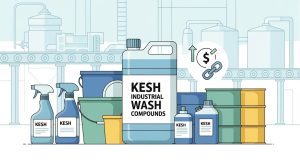
General-purpose water-based cleaners serve a wide range of applications. You can use them in various settings, including offices, schools, and light industrial environments. These cleaners effectively tackle everyday dirt and grime without harsh chemicals. They are ideal for surfaces like floors, walls, and countertops. Their versatility makes them a popular choice among users seeking efficient cleaning solutions.
Specialty
Specialty water-based cleaners target specific cleaning challenges. For instance, if you work in the automotive industry, you might need a cleaner designed to remove grease and oil. Specialty cleaners often contain unique formulations that enhance their effectiveness for particular tasks. Here’s a quick overview of some specialty cleaners:
Cleanser Type | Best For | Applications | Additional Notes |
|---|---|---|---|
Degreasers | Tackling heavy grease | Equipment and machinery maintenance | Strong cleaners ideal for industrial machinery; ensure compatibility with materials. |
Antistatic Cleaners | Electronics and static-sensitive equipment | Manufacturing and tech industries | Prevents static buildup; essential for sensitive electronic components. |
Eco-Friendly
Eco-friendly water-based cleaners prioritize sustainability. They contain biodegradable ingredients that minimize environmental impact. Choosing these cleaners helps you maintain a clean workspace while supporting eco-conscious practices. Many eco-friendly options are just as effective as traditional cleaners, making them a smart choice for businesses aiming to reduce their carbon footprint.
By understanding the different types of water-based cleaners available, you can select the right industrial cleaning products that meet your specific needs.
Selection Factors for Industrial Water-Based Cleaners
Application Area
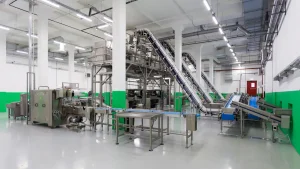
When selecting an industrial water-based cleaner, consider the specific application area. Different environments require different cleaning solutions. For example, a cleaner suitable for a manufacturing facility may not be effective in a food processing plant. Here are some key factors to keep in mind:
Effectiveness: Ensure the cleaner effectively addresses the contaminants present in your environment.
Safety: Choose cleaners that are non-flammable and pose low health risks, especially in sensitive areas.
Compatibility with Materials: Select cleaners designed to be gentle on the materials you work with, such as plastics and metals.
Factor | Description |
|---|---|
Effectiveness | Water-based cleaners provide effective cleaning action suitable for various industrial applications. |
Safety | Non-flammable and low health risks due to absence of volatile organic solvents. |
Environmental Impact | High biodegradability and reduced polluting load, making them eco-friendly. |
Compatibility with Materials | Designed to be gentle on sensitive materials like plastics and metals. |
Operational Efficiency | May require longer cleaning times, but overall cost and safety benefits make them advantageous. |
pH Value
The pH value of a cleaner significantly affects its cleaning efficiency and safety. Understanding the pH level helps you choose the right cleaner for your specific needs. Here’s how different pH levels impact cleaning:
pH Level | Effectiveness Against Contaminants | Safety Considerations |
|---|---|---|
Acidic | Effective against limestone, rust, and metal oxidation | Generally safer for workers and environment |
Alkaline | Excels at removing salt residues, organic dirt, metal shavings, and grease | Reduces health risks associated with volatile organic compounds |
Acidic solutions are effective against limestone deposits.
Alkaline solutions excel at eliminating grease and organic dirt.
Material Compatibility
Material compatibility is crucial when selecting an industrial water-based cleaner. Certain cleaners may damage sensitive materials. To ensure compatibility, follow these guidelines:
Test a small area before full application to confirm compatibility.
Be cautious with sensitive materials, as some solvents may weaken or discolor them.
Incomplete rinsing of water-based cleaners can lead to residue or spotting.
By considering these factors, you can make informed decisions about which industrial water-based cleaners best suit your needs. This approach not only enhances cleaning effectiveness but also ensures safety and environmental responsibility.
Environmental Impact
The environmental impact of your chosen cleaner is another essential factor. Opting for eco-friendly water-based cleaners can significantly reduce your carbon footprint. These cleaners often contain biodegradable ingredients that minimize pollution. By selecting products with high biodegradability, you contribute to a cleaner environment while maintaining effective cleaning standards.
Choosing the right industrial water-based cleaner requires careful consideration. You should:
Match the cleanser type to your specific cleaning needs.
Ensure material compatibility to protect surfaces.
Adhere to safety regulations.
Consider environmental impact by selecting biodegradable options.
Evaluate supplier reputation for quality assurance.
By assessing these factors, you can make informed decisions that enhance your cleaning processes.
FAQ
What factors affect cleaning performance?
Cleaning performance depends on the cleaner type, application area, and material compatibility. Always choose products that suit your specific needs.
Are eco-friendly cleaners effective?
Yes, eco-friendly cleaners can match traditional options in effectiveness. They often contain biodegradable ingredients that ensure safety and performance.
How do I test material compatibility?
Test a small area before full application. This step helps confirm that the cleaner won’t damage or discolor the surface.