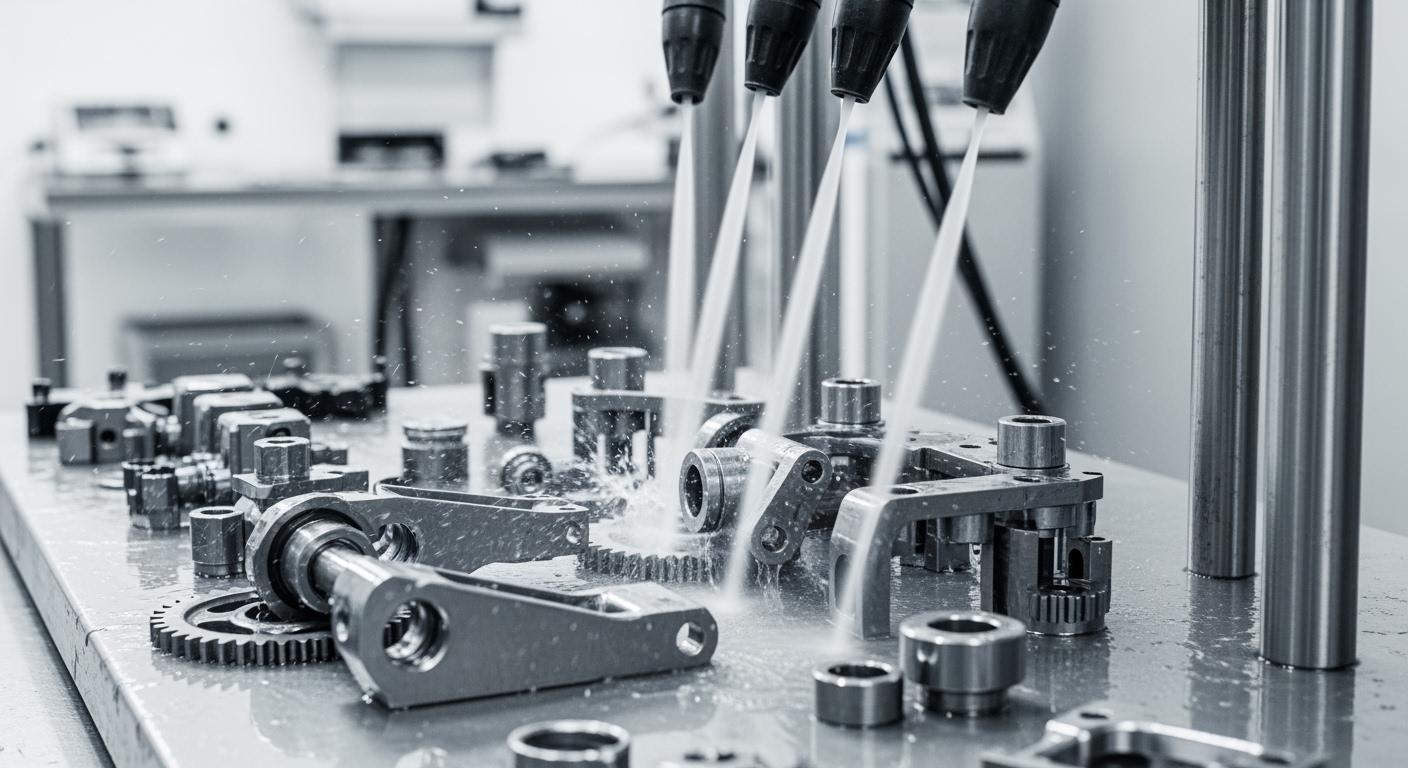
Master Machinery Maintenance Cleaning with These Simple Tips
Cleaning your machinery is essential for ensuring optimal performance and longevity. Neglecting this important task can result in breakdowns that lead to expensive repairs and downtime. Regular machinery maintenance cleaning helps prevent the buildup of contaminants, which can wear down your equipment over time. By implementing simple yet effective cleaning techniques, you can significantly improve your machinery maintenance cleaning routine.
Key Takeaways
- Regular cleaning of machinery enhances performance and extends its lifespan. Make cleaning a routine to avoid costly repairs.
- Use the right cleaning agents that are compatible with your machinery materials. This prevents damage and ensures effective cleaning.
- Follow a step-by-step cleaning process, including safety precautions. Proper training and PPE are essential for safe and effective cleaning.
Why Clean Machinery?
Cleaning your machinery is not just a chore; it’s a vital part of keeping your equipment running smoothly. Regular cleaning offers numerous benefits that can enhance performance and extend the lifespan of your machinery.
Benefits of Regular Cleaning
When you commit to regular machinery maintenance cleaning, you unlock several advantages:
| Benefit | Description |
|---|---|
| Product Quality | Clean parts reduce defects, improve performance, and enhance the lifespan of assemblies. |
| Process Efficiency | Removing contaminants ensures smooth downstream processes like painting, welding, coating, packaging, and machining. |
| Compliance & Safety | Industries must meet ISO, GMP, and cleanliness standards to avoid failures and recalls. |
| Cost Reduction | Properly cleaned parts reduce machine wear, rework, and rejection rates. |
By maintaining a clean environment for your machinery, you not only improve operational efficiency but also ensure compliance with industry standards. This proactive approach can save you money in the long run by reducing the need for costly repairs and replacements.
Consequences of Neglecting Cleaning
On the flip side, neglecting cleaning can lead to serious issues. Here are some consequences you might face:
- Accelerated Wear and Tear: Neglecting cleaning leads to faster degradation of surfaces, resulting in the need for premature replacements.
- Increased Repair Costs: Systems like HVAC can suffer from blockages and inefficiencies due to accumulated dust, leading to costly repairs.
- Higher Energy Bills: Dirty systems require more energy to function, increasing utility costs.
Insufficient cleaning can cause significant damage as dust and dirt accumulate over time. Initially, your machinery may seem to function normally, but this buildup can degrade the outer layer and eventually affect internal components. This degradation leads to decreased performance and potential breakdowns, which can be both frustrating and expensive.
Methods for Machinery Maintenance Cleaning
Cleaning your machinery effectively involves a mix of manual and mechanical techniques. Each method has its own advantages, and knowing when to use them can make a big difference in your cleaning routine.
Manual and Mechanical Techniques
Manual cleaning techniques often involve using brushes, cloths, and scrapers. These tools allow you to reach tight spots and remove stubborn dirt. Here are some common manual techniques:
- Wiping: Use a clean cloth to wipe down surfaces. This helps remove dust and grime.
- Brushing: A stiff brush can dislodge dirt from crevices and hard-to-reach areas.
- Scraping: For tough residues, a scraper can help lift off built-up grime without damaging surfaces.
On the other hand, mechanical techniques can save you time and effort. Automated systems, like robotic cleaners, can handle large areas efficiently. For instance, automated cleaning systems like the PUDU CC1 Pro enhance cleaning consistency through advanced AI capabilities. This technology allows the robot to adapt its cleaning methods based on the type of surface and level of dirt. Not only does this improve cleaning effectiveness, but it also reduces labor costs by enabling your staff to focus on supervision and strategic tasks.
Choosing the Right Cleaning Agents
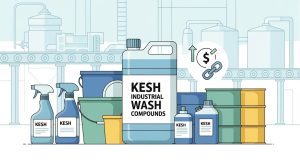
Selecting the right cleaning agents is crucial for effective machinery maintenance cleaning. Using the wrong cleaning solution can lead to damage and decreased performance. Here are some important points to consider:
- Compatibility: Ensure that the cleaning agent is compatible with the materials of your machinery. For example, using overly aggressive degreasers can harm paint, seals, or plastic parts, negatively affecting machinery performance.
- Effectiveness: Choose cleaning solutions that effectively target the specific contaminants you face. For instance, improper disinfectants can lead to corrosion or damage to medical equipment materials, emphasizing the need for compatible cleaning agents.
- Safety: Always prioritize safety when selecting cleaning agents. Look for non-toxic and environmentally friendly options whenever possible.
By understanding the cleaning requirements of your machinery and using the right cleaning agents, you can maintain optimal performance and extend the lifespan of your equipment.
Keeping Equipment Clean
Cleaning machinery can seem daunting, but breaking it down into simple steps makes it manageable. Here’s a step-by-step guide to help you keep your equipment clean and running smoothly.
Step-by-Step Cleaning Processes
Gather Your Supplies: Before you start, collect all necessary cleaning supplies. This includes your chosen cleaning solution, brushes, cloths, and any personal protective equipment (PPE) you need.
Turn Off and Unplug Equipment: Always ensure that the machinery is turned off and unplugged before you begin cleaning. This step is crucial for your safety.
Remove Loose Debris: Use a brush or vacuum to remove any loose dirt, dust, or debris from the surface of the machinery. This helps prevent scratches during the cleaning process.
Apply Cleaning Solution: Depending on the type of machinery, apply the appropriate cleaning solution. Make sure it’s compatible with the materials of your equipment to avoid damage.
Scrub and Wipe Down: Use a cloth or sponge to scrub surfaces gently. Pay special attention to hard-to-reach areas. For stubborn grime, a stiff brush can help dislodge dirt.
Rinse Thoroughly: After scrubbing, rinse the surfaces with clean water to remove any residue from the cleaning solution. This step is vital to prevent any chemical buildup.
Dry Completely: Use a clean, dry cloth to wipe down all surfaces. Ensure everything is completely dry before reassembling or turning the machinery back on.
Regular Inspections: Incorporate regular inspections into your cleaning routine. This helps you catch any potential issues early and maintain optimal performance.
Tip: Avoid common mistakes during cleaning, such as using the wrong cleaning solution or neglecting rinsing and drying stages. These oversights can lead to damage and increased maintenance costs.
Safety Precautions
Safety should always be your top priority when cleaning machinery. Here are some essential precautions to follow:
Proper Training: Ensure you and your team receive comprehensive training on cleaning equipment and safety procedures. This knowledge is vital for effective and safe cleaning.
Use of PPE: Always wear personal protective equipment, including gloves, goggles, and masks. This gear protects you from harmful chemicals and debris.
Safe Handling of Chemicals: Store and dispose of cleaning chemicals properly. This practice prevents accidents and ensures a safe working environment.
Signage and Barriers: Use signage to mark hazardous areas and set up barriers to prevent slips and falls during the cleaning process.
By following these steps and safety precautions, you can effectively keep equipment clean and maintain its performance. Remember, a clean machine is a happy machine!
Cleaning your machinery is crucial for its performance and longevity. By following essential maintenance tips, you can prevent costly breakdowns and enhance efficiency. Regular cleaning not only saves money but also boosts employee productivity and health. So, make it a habit to implement these tips and schedule routine inspections. Your machinery—and your bottom line—will thank you!
FAQ
What is the best way to clean industrial machinery?
You can use a combination of manual and mechanical techniques for effective industrial component cleaning. Choose the right cleaning agents for optimal results.
How often should I clean my machinery?
Aim for regular cleaning based on usage. For heavily used machinery, clean it weekly; for less frequent use, monthly cleaning should suffice.
Can I use household cleaners on industrial equipment?
Avoid household cleaners. They may damage machinery parts. Always select cleaning agents specifically designed for industrial component cleaning.