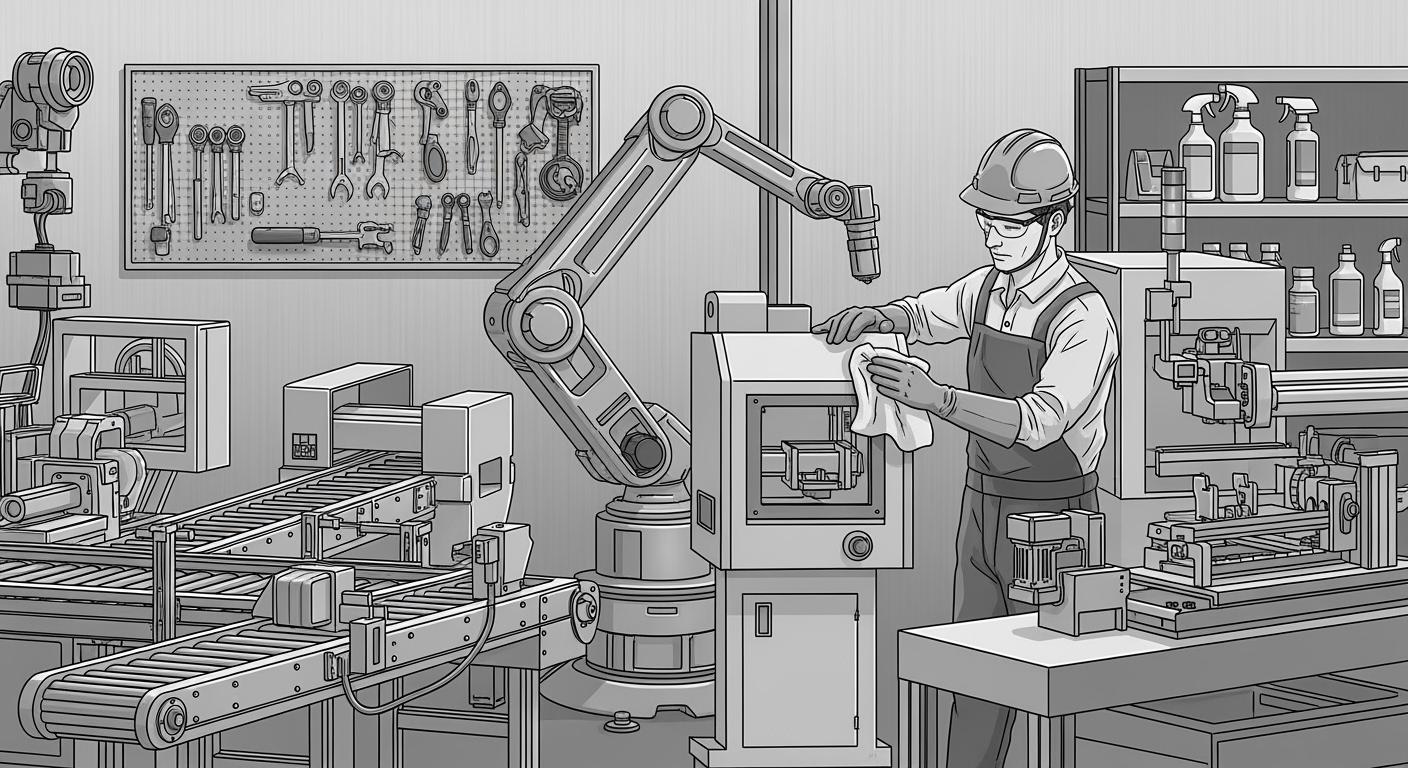
Mastering Food Processing Cleaning Techniques for 2026
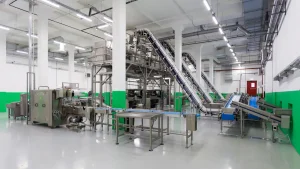
Effective food processing cleaning in facilities plays a critical role in ensuring safety and compliance. You must adhere to hygiene standards to protect consumers and maintain product integrity. As we approach 2026, it’s essential to update your cleaning techniques. New regulations emphasize proactive prevention, requiring you to implement hazard controls and maintain rigorous sanitation practices.
- Regular food processing cleaning and sanitizing of surfaces and equipment.
- Proper treatment of source water to prevent contamination.
Key Takeaways
- Verify cleaning products before use. Choose food-safe detergents and sanitizers certified by reputable organizations to ensure compliance with safety regulations.
- Assemble essential cleaning tools like brooms, scrub brushes, and PPE. Having the right tools ready streamlines your cleaning process and enhances effectiveness.
- Follow a systematic cleaning process. Start by removing debris, pre-rinsing surfaces, applying detergent, rinsing thoroughly, inspecting for residues, sanitizing, and drying properly.
Cleaning Preparation
Verify Cleaning Products
Before you begin any cleaning and sanitation procedures, you must verify the cleaning products you plan to use. This step is crucial for ensuring compliance with food safety regulations set for 2026. You should choose food-safe detergents and sanitizers that meet industry standards. To confirm their safety and effectiveness, consider the following:
- Certification: Look for products that have been certified by reputable organizations. For instance, SGS offers product certification and verification services for food-safe detergents and sanitizers. Their services ensure that products comply with food safety regulations.
- Performance Criteria: Ensure that the products you select have been independently assessed against various safety and performance criteria. This verification helps you demonstrate conformity to consumers and maintain trust in your facility.
By verifying your cleaning products, you can confidently maintain high hygiene standards in your food processing facility.
Assemble Cleaning Tools
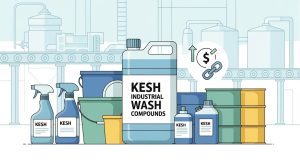
Once you have verified your cleaning products, the next step is to assemble the necessary cleaning tools. Having the right tools on hand will streamline your cleaning and sanitation procedures. Here’s a list of essential tools you should gather:
- Brooms and Mops: Use these for sweeping and mopping floors to remove debris effectively.
- Scrub Brushes: These are vital for scrubbing surfaces and equipment, ensuring thorough cleaning.
- Spray Bottles: Fill these with your verified cleaning products for easy application.
- Buckets: Use buckets for mixing cleaning solutions and rinsing tools.
- Personal Protective Equipment (PPE): Don’t forget gloves, masks, and goggles to protect yourself while cleaning.
By assembling the right tools, you set yourself up for success in maintaining cleanliness and hygiene in your facility.
Food Processing Cleaning Steps
Cleaning your food processing facilities involves several essential steps. Each step plays a crucial role in ensuring effective cleaning and sanitation. Follow these steps to maintain high hygiene standards in your facility.
Remove Debris
Start by physically removing visible debris from food contact surfaces. This step is vital because it enhances the effectiveness of your cleaning agents. When you clear away loose particles and residues, cleaning solutions can penetrate surfaces better, leading to a more thorough sanitation process. Use appropriate tools for this task. Here’s a table of effective tools for removing debris:
| Tool | Purpose |
|---|---|
| Soft nylon brushes | Scrubbing dough residue without scratching |
| Silicone scrapers | Removing dough from mixer bowls |
| Non-abrasive sponges | General surface cleaning |
| High-pressure water sprayer | Rinsing conveyors and tanks (optional) |
| Microfiber cloths | Drying and final polishing |
| Small brushes | Cleaning dies, slitter grooves, and crevices |
| Squeegee | Removing water from floors |
Pre-Rinse Surfaces
Next, pre-rinse surfaces with warm potable water. The ideal water temperature for this step is between 50 to 55 °C. Warm water speeds up the cleaning process and helps loosen any remaining debris. Avoid using cold water, as it may not be as effective in preparing surfaces for the next cleaning steps.
Apply Detergent
After pre-rinsing, apply a food-grade detergent to the surfaces. Choose a detergent that effectively removes fats and proteins. For example, oxidizing additives like peracetic acid or enzymatic formulations can enhance the removal of residues. Ensure you follow the manufacturer’s instructions for dilution and application. Allow the detergent to dwell for the recommended time to break down fats and starches effectively.
Rinse Thoroughly
Once the detergent has had time to work, rinse the surfaces thoroughly with warm potable water. Use a final rinse to eliminate all detergent residues. Here are some best practices for rinsing:
| Step | Best Practice | Description |
|---|---|---|
| 1 | Use warm potable water | Rinse with water less than 120° F (48.9° C) to prevent soil adherence. |
| 2 | Avoid high-pressure rinses | High-pressure can aerosolize soils and chemicals, risking recontamination. |
| 3 | Ensure thorough rinsing | Final rinse with potable water to remove all detergent and residues. |
Inspect for Residue
After rinsing, inspect the surfaces for any remaining residues. This step is crucial for ensuring that no contaminants remain. If you notice any spots, perform spot cleaning as necessary. This attention to detail helps prevent food contamination and maintains the integrity of your sanitation program.
Sanitize Surfaces
Now, apply a suitable sanitizing solution to the cleaned surfaces. Effective sanitizing agents include peracetic acid, stabilized chlorine dioxide, and ultraviolet (UV) light. Each of these agents has its benefits, such as effectiveness against bacteria and viruses. Follow the manufacturer’s guidelines for application and contact time to ensure maximum effectiveness.
Dry Properly
Finally, ensure that all surfaces are dried properly. You can air-dry surfaces or use clean, lint-free cloths. If you use a drying method, follow the drying instructions provided by the sanitizing solution manufacturer. Proper drying helps prevent the growth of bacteria and maintains the cleanliness of your food processing facilities.
By following these steps, you can ensure that your food processing cleaning is thorough and effective. Implementing these practices will enhance hygiene and safety in your facility.
Effective cleaning techniques are vital for food safety and compliance in 2026. You enhance hygiene and reduce contamination risks by implementing these practices. Facilities designed with sanitation in mind lead to smoother inspections and fewer corrective actions. Prioritize cleanliness to protect consumers and maintain your facility’s integrity.
FAQ
What cleaning products are safe for food processing facilities?
Use food-safe detergents and sanitizers certified by reputable organizations. Always check for compliance with food safety regulations.
How often should I clean my food processing equipment?
Clean your equipment daily to maintain hygiene. Regular cleaning prevents contamination and ensures compliance with safety standards.
What is the best way to dry surfaces after cleaning?
Air-dry surfaces or use clean, lint-free cloths. Proper drying prevents bacterial growth and maintains cleanliness in your facility.