How to Effectively Choose Industrial Cleaning Chemicals for Food Processing
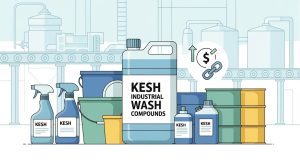
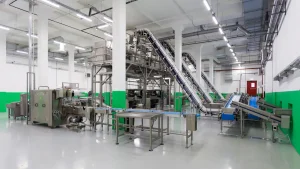
Selecting the right industrial cleaning chemicals for food processing is crucial. It impacts your food safety and compliance with regulations. Using the wrong industrial cleaning chemicals for food processing can lead to hygiene failures and damage to surfaces. Remember, effective cleaning ensures a safe environment for your products and helps maintain operational efficiency.
Choosing the wrong product can do more than reduce cleaning performance. It can also cause compliance failures, product recalls, or even business shutdowns.
Key Takeaways
- Choose industrial cleaning chemicals that meet food safety standards to ensure compliance and avoid costly fines.
- Understand the pH levels of cleaning chemicals; acidic cleaners remove rust while alkaline cleaners dissolve oils and grease.
- Opt for eco-friendly cleaning options to protect the environment and enhance workplace safety.
Why Choose the Right Chemicals
Food Safety and Compliance
When it comes to food processing, safety is non-negotiable. You must choose industrial cleaning chemicals that meet food safety standards. This choice directly impacts your compliance with regulations set by health authorities. Using the right chemicals helps you avoid costly fines and potential shutdowns.
Here are some key points to consider:
- Regulatory Compliance: Ensure that the chemicals you select are approved for use in food processing environments. This helps you stay compliant with local and federal regulations.
- Labeling and Documentation: Always check the labels for safety data sheets (SDS). These documents provide essential information about the chemicals, including their hazards and safe handling practices.
Effectiveness Against Pathogens
Pathogens can pose serious risks in food processing. You need cleaning chemicals that effectively eliminate these harmful microorganisms. Some pathogens, like Pseudomonas aeruginosa, Staphylococcus aureus, and Escherichia coli, can form biofilms that make them resistant to standard cleaning agents.
To give you a clearer picture, here’s a table showing the effectiveness of various cleaning methods against common foodborne pathogens:
| Cleaning Method | Pathogen | Remaining Biofilm Value (%) | Temperature (°C) | Time (minutes) |
|---|---|---|---|---|
| Oxisan + Ultrasonic | P. aeruginosa | 10.66 | 80 | 15 |
| Distilled Water + Ultrasonic | P. aeruginosa | 12.41 | 55-80 | 15-30 |
| Control (No Treatment) | P. aeruginosa | Highest Remaining | N/A | N/A |
| Chemical Sanitizer | E. coli | Reduced significantly | N/A | N/A |
| Lactic Acid + Hydrogen Peroxide | Listeria monocytogenes | Destroyed completely | N/A | N/A |
Using the right combination of cleaning chemicals can significantly reduce the risk of cross-contamination. For instance, lactic acid and hydrogen peroxide can effectively destroy Listeria monocytogenes when combined with mild heat treatment.
Key Factors for Industrial Cleaning Chemicals
pH Levels and Properties
When selecting cleaning chemicals, understanding pH levels is essential. The pH scale ranges from 0 to 14, with 7 being neutral. Here’s how different pH levels affect cleaning effectiveness:
- Acidic Cleaners (pH 0-6): These are great for removing rust, scale, and mineral deposits. They work well in food processing facilities where hard water can leave behind unwanted residues.
- Alkaline Cleaners (pH 8-14): These excel at dissolving oils, grease, and organic residues. They are particularly useful in the food and beverage industry, where fats and oils are common contaminants.
For effective cleaning, you should consider using solutions with pH levels of 1-2 or 12-13. However, be cautious; stronger chemicals can pose risks to both equipment and operators. Different cleaning chemicals are tailored for specific applications. For instance, acid-based cleaners are ideal for mineral deposits, while heavy-duty cleaners tackle fats and oils effectively.
Surface Types and Compatibility
Not all surfaces in a food production facility are created equal. Different materials react differently to cleaning chemicals. Here’s a quick overview of how various materials can be affected:
| Material Type | Susceptibility to Cleaning Chemicals | Effect |
|---|---|---|
| Metal Surfaces | Strong acids or bases | Corrosion and degradation |
| Production Equipment | Strong acids or bases | Damage and material failure |
You need to ensure that the cleaning chemicals you choose are compatible with the surfaces you’re cleaning. Using the wrong product can lead to costly repairs or replacements. Always check the manufacturer’s recommendations for cleaning protocols to maintain hygiene standards without damaging your equipment.
Contaminants in Food Processing
In the food processing environment, you encounter various contaminants that require specialized cleaning chemicals. Here are some common ones:
- Proteins: Often found in meat and dairy products, proteins can create stubborn residues that need specific cleaning agents.
- Fats and Oils: These are prevalent in many food production areas and require heavy-duty cleaners for effective removal.
- Biofilms: These can form on surfaces and harbor harmful bacteria, making it crucial to use effective sanitisers to eliminate them.
Using the right cleaning chemicals tailored to these contaminants ensures you maintain hygiene protocols and meet food safety audit standards. For example, food-safe chemicals like food surface grade sanitisers are designed to eliminate bacteria without leaving harmful residues.
By understanding these key factors, you can make informed decisions about the cleaning chemicals you use in your food processing facility. This not only helps in maintaining compliance but also ensures a safe environment for your products.
Environmental and Safety Considerations
Eco-Friendly Cleaning Options
When you think about cleaning chemicals, consider their impact on the environment. Eco-friendly cleaning options are becoming more popular in food processing. These products often use biodegradable ingredients, which minimize environmental harm. They also tend to have low-VOC formulations, helping maintain better indoor air quality.
Here’s a quick comparison of traditional versus eco-friendly cleaning chemicals:
| Aspect | Traditional Cleaning Chemicals | Eco-Friendly Cleaning Chemicals |
|---|---|---|
| Environmental Impact | Toxic to ecosystems, non-biodegradable surfactants | Biodegradable, safe for wastewater treatment |
| Health Hazards | Irritation from high concentrations of alkaline agents | Non-toxic, safe for workers |
| Corrosion and Damage | Can corrode metal surfaces | Safe for equipment, no corrosion |
By choosing eco-friendly options, you not only protect the environment but also enhance the safety of your workplace.
Understanding Safety Data Sheets
Safety Data Sheets (SDS) are essential tools for anyone using cleaning chemicals. They provide crucial information about the hazards associated with each chemical, including handling, storage, and emergency measures. Always review the SDS before using any product.
Here are some key points to look for in an SDS:
- Chemical Composition: Know what’s in the product.
- Hazard Identification: Understand potential risks.
- First Aid Measures: Be prepared for emergencies.
By familiarizing yourself with the SDS, you ensure the safety of your team and comply with regulations. Remember, safety should always come first in your cleaning practices.
Choosing the right industrial cleaning chemicals is vital for your food processing operations. It enhances food safety and product quality while optimizing efficiency. Prioritizing safety and compliance helps you avoid costly recalls and protects your brand. Remember, informed decisions lead to a safer, more efficient workplace!
- Long-term benefits include:
- Enhanced food safety and product quality.
- Optimized operational efficiency.
- Support for contamination prevention.
FAQ
What should I consider when choosing cleaning chemicals for food processing?
You need to focus on compliance, surface compatibility, and effectiveness against pathogens to ensure product safety.
How can I ensure my cleaning chemicals are eco-friendly?
Look for biodegradable ingredients and low-VOC formulations. These options support compliance and safety support while protecting the environment.
Are there specific certifications for cleaning chemicals in food processing?
Yes, choose products that are trained and certified for food safety. This ensures they meet industry standards and regulations.