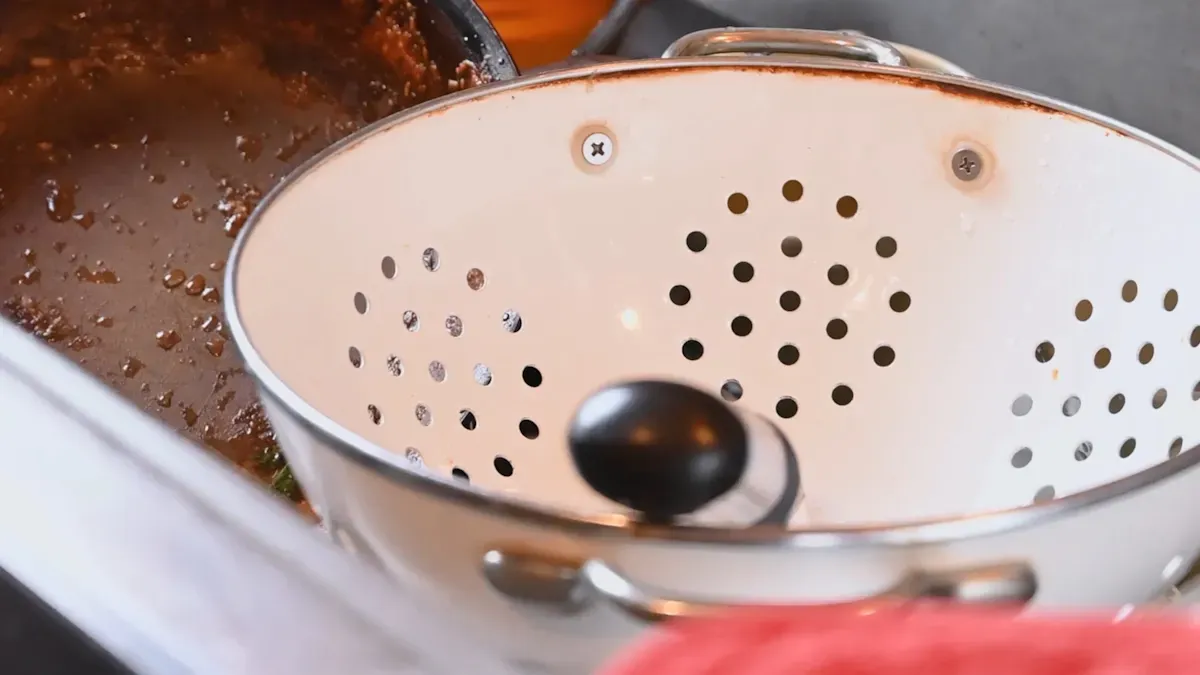
Kitchen grease stains can be a real headache. They come from everyday cooking, like oil splatters from your stovetop and steam from your range hood. These stains not only look unsightly, but they can also become tough to remove if left untreated. Our product effectively removes stubborn kitchen grease stains, making it essential for maintaining a spotless kitchen. Finding effective cleaning methods is crucial, and with our solution, you can achieve a pristine cooking space effortlessly.
Key Takeaways
- Mix warm water with dish soap to create an effective cleaning solution for stovetops and backsplashes. Let it sit for five minutes before scrubbing.
- Regularly wipe down kitchen surfaces after cooking to prevent grease buildup. This simple habit saves time on tougher cleaning later.
- Use splatter guards while cooking to minimize grease escape. This small step can significantly reduce future cleaning efforts.
Methods That Remove Stubborn Kitchen Grease Stains
Stovetops and Backsplashes
Stovetops and backsplashes often bear the brunt of grease splatters. To tackle these stubborn stains, follow these steps:
- Prepare Your Cleaning Solution: Mix warm water with dish soap or a diluted all-purpose cleaner. This combination is safe for most surfaces and effective against grease.
- Apply the Cleaner: Spray the solution onto the greasy areas and let it sit for about five minutes. This dwell time helps break down the grease.
- Scrub Gently: Use a non-abrasive sponge or a microfiber cloth. Work in circular motions to lift the grease without scratching the surface.
- Rinse and Dry: Wipe down the area with a clean, damp cloth to remove any residue. Finish by buffing dry with a microfiber cloth for a streak-free shine.
Tip: For high walls or backsplashes, use a sponge mop or a microfiber cloth on an extension pole. Always start cleaning from the top and work your way down to avoid dirty water dripping onto cleaned areas.
Baking Dishes and Walls
Baking dishes can accumulate grease over time, especially if they’re used frequently. Here’s how to clean them effectively:
- Soak the dish in warm, soapy water for at least 30 minutes. This helps loosen the grease.
- For tougher stains, sprinkle baking soda on the greasy spots and add a bit of water to form a paste. Let it sit for 15 minutes before scrubbing.
- Rinse thoroughly and dry with a clean towel.
When it comes to kitchen walls, especially those near the stove, regular maintenance is key. Here are some expert-recommended techniques:
- Wipe down the area above the stove weekly with a damp cloth dipped in warm, soapy water. Be cautious with matte or flat finishes.
- For grease near the stove, spray with a degreaser, let it sit, then wipe with a damp cloth. Change your cleaning water frequently to prevent spreading grease.
Cabinet Fronts and Range Hoods
Cabinet fronts can also collect grease, especially if they’re near the cooking area. To clean them:
- Use a Degreaser: Spray a degreaser on the cabinet fronts and let it sit for a few minutes.
- Wipe Down: Use a microfiber cloth to wipe away the grease. For stubborn spots, you might need to scrub gently.
- Rinse: Wipe with a damp cloth to remove any cleaner residue.
For range hoods, follow these steps to keep them grease-free:
- Safety First: Turn off the range hood and unplug it for safety.
- Clean the Filters: Remove the grease filters and soak them in hot water with dish soap and baking soda for 15-30 minutes. Scrub, rinse, and let them air dry.
- Degrease the Hood: Spray the exterior and underside of the hood with degreaser. Wipe down with a damp cloth.
- Fan Blades: Clean the fan blades carefully with a degreaser-dampened cloth.
- Reinstall Filters: Once dry, reinstall the filters and wipe down the hood again. Clean filters monthly and the exterior weekly.
Safety Reminder: Always open windows and turn on exhaust fans for fresh air circulation when using chemical degreasers. Wear protective gloves and avoid mixing cleaners to prevent toxic fumes.
By following these methods, you can effectively remove stubborn kitchen grease stains and maintain a clean, inviting cooking space.
Preventing Future Grease Stains
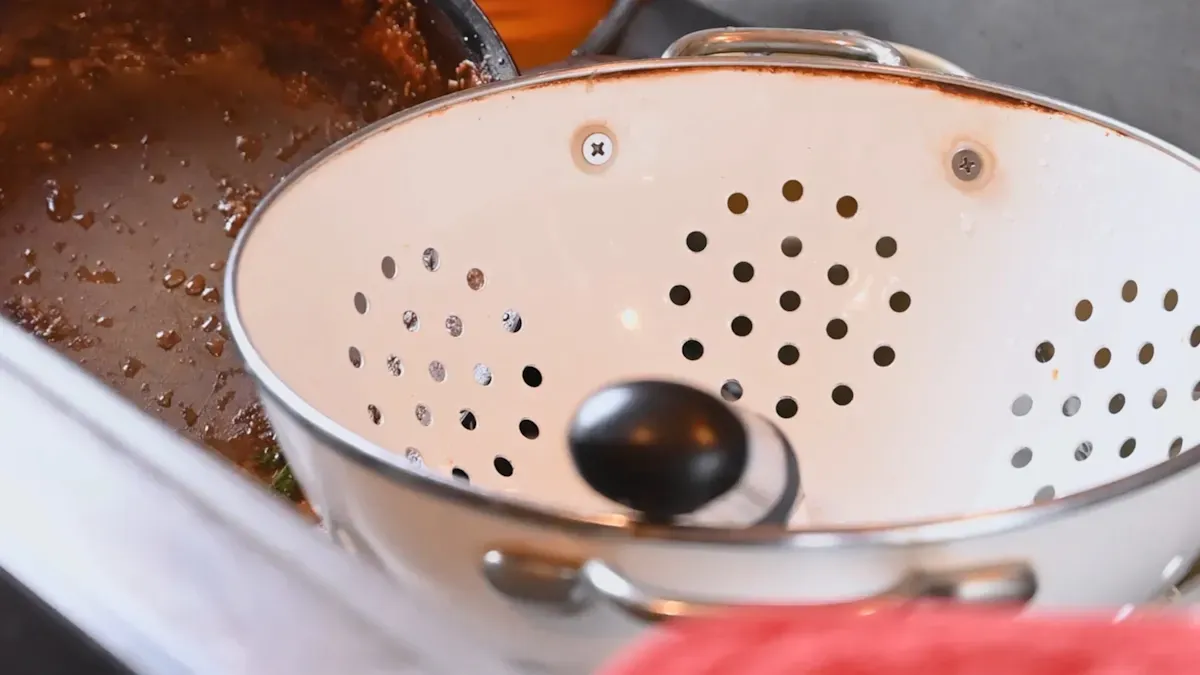
Keeping your kitchen grease-free is all about prevention. Here are some effective strategies to help you avoid stubborn grease stains:
- Clean Regularly: Make it a habit to clean kitchen surfaces daily or weekly. This simple step can prevent grease buildup. Cleaning professionals recommend wiping down surfaces after cooking, especially if you’ve prepared greasy meals.
- Ventilation Matters: Good kitchen ventilation plays a crucial role in reducing grease accumulation. Here’s how different types of ventilation help:
| Ventilation Type | Function |
|---|---|
| Ducted kitchen hoods | Convey greasy air outside, allowing for adequate air exchange and reducing indoor grease. |
| Filtering kitchen hoods | Filter greasy and organic substances from the air and recirculate cleaned air back into the room. |
| Grease filters | Remove fatty and greasy substances from the extracted air, preventing buildup on surfaces. |
- Use Protective Covers: Consider using splatter guards while cooking. They can significantly reduce the amount of grease that escapes into your kitchen.
- Wipe Down After Cooking: After each cooking session, take a moment to wipe down your stovetop and surrounding areas. This quick action can save you from tougher cleaning later.
By implementing these preventive measures, you can maintain a cleaner kitchen and reduce the need for products that removes stubborn kitchen grease stains. Regular maintenance is key to keeping your cooking space inviting and hygienic.
Keeping your kitchen clean is essential for hygiene and safety. Regular cleaning methods eliminate grease, bacteria, and allergens, reducing the risk of foodborne illnesses. 🧼 Consider using tools like automated drain maintenance systems to manage grease effectively. Implement these tips for a cleaner, healthier kitchen experience!
FAQ
What is the best way to clean grease stains on my stovetop?
Use a mixture of warm water and dish soap. Spray it on, let it sit, then scrub gently with a non-abrasive sponge.
How often should I clean my kitchen surfaces?
Aim to clean surfaces daily or weekly. Regular cleaning prevents grease buildup and keeps your kitchen looking fresh.
Can I use vinegar to remove grease stains?
Yes! Vinegar is a natural degreaser. Mix it with water, spray on the stains, let it sit, then wipe clean.