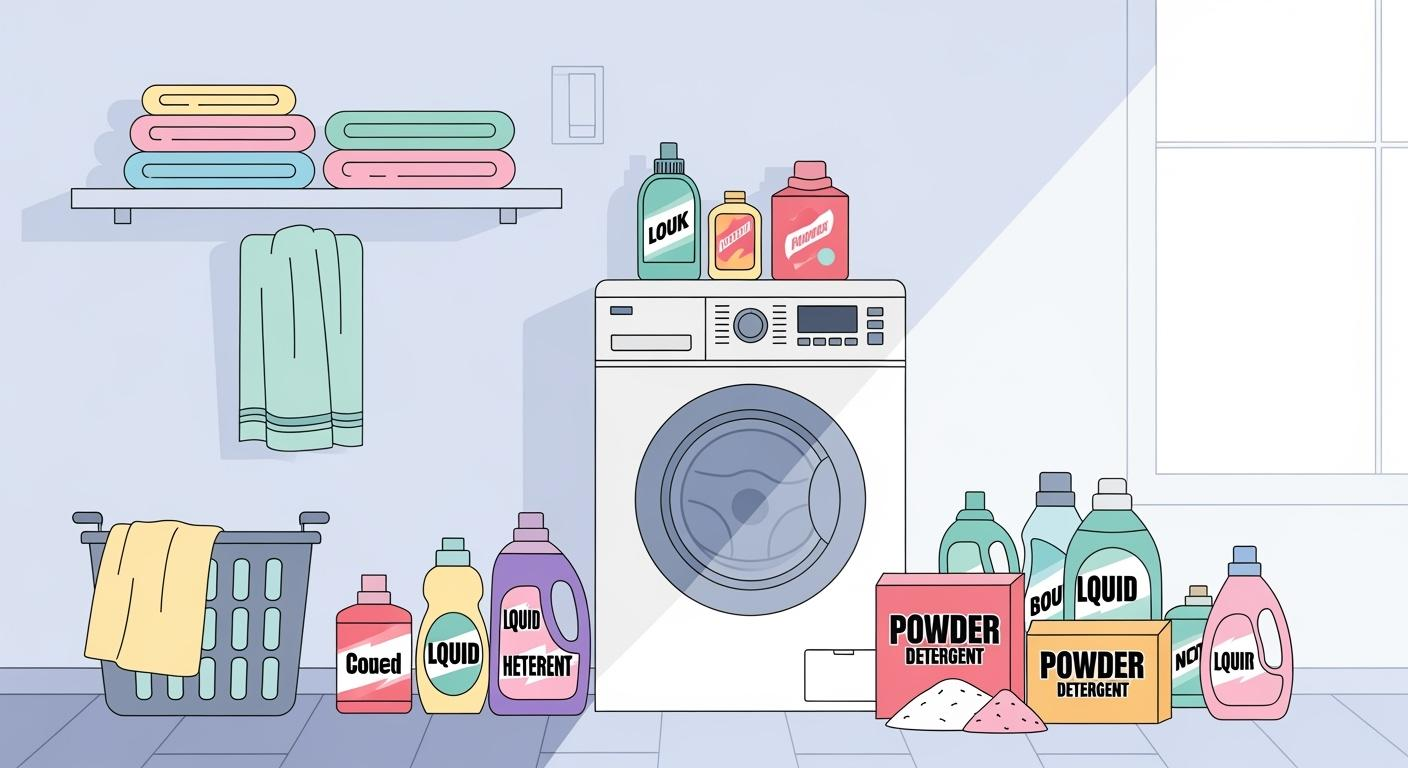
When it comes to selecting the best laundry detergent for front load washing machines, you’ll notice some key differences between powder and liquid options. Powder detergent often excels in cleaning power, especially for tough stains. However, it can struggle to dissolve fully, which might leave residue in your machine. On the other hand, liquid detergent is easy to use and dissolves quickly, making it great for stain removal. Yet, it typically comes with a higher price tag. Consider these factors carefully to maintain your washer and keep your clothes looking fresh.
Key Takeaways
Liquid detergents are best for front load washers. They dissolve easily and effectively remove greasy stains.
Powder detergents are cheaper per load but may leave residue. Consider your laundry needs when choosing.
Proper measuring and storage of detergent enhance cleaning and maintain your washer’s performance.
Detergent Effectiveness
Stain Removal
When it comes to stain removal, both liquid and powder detergents have their strengths. Liquid detergents shine in tackling greasy or oily stains. They dissolve quickly and penetrate fabrics effectively, making them ideal for those tough spots. On the other hand, powder detergents excel at removing mud and clay stains. Their cleaning agents work well on these types of dirt, especially when you use warm or hot water.
Here’s a quick comparison of how each type performs against common stains:
Type of Stain | Liquid Detergent Effectiveness | Powder Detergent Effectiveness |
|---|---|---|
Superior | Less effective | |
Mud/Clay Stains | Less effective | Better suited |
Dissolution in Cold Water | Easily dissolves | May leave residue |
Performance in Cold Water
You might be wondering how these detergents perform in cold water, especially if you’re looking to save energy. Liquid detergents are your best bet here. They dissolve easily in any water temperature, which means you can confidently use them in cold cycles without worrying about residue on your clothes. This makes them a great choice for energy-saving washes.
In contrast, powder detergents often struggle in cold water. They may not dissolve fully, leading to residue on your laundry or even inside your washer. This can affect both the cleanliness of your clothes and the maintenance of your machine.
To summarize:
Liquid Detergents:
Pros: Dissolves easily in any water temperature, better for greasy stains.
Cons: Can be easy to overdose, packaging may not be eco-friendly.
Powder Detergents:
Pros: Best for mud or clay stains, lowest cost per load.
Cons: Often doesn’t dissolve well in cold water, can leave residue.
Choosing the right detergent can significantly impact your laundry experience. Understanding the stain fighting benefits of each type helps you make an informed decision.
Cost-Effectiveness of Detergents
Price per Load
When you’re shopping for laundry detergent, price per load is a crucial factor. Generally, powdered detergents are cheaper per load compared to liquid options. This cost advantage comes from their lighter weight and portability, which reduces transportation costs. Here’s a quick look at the average costs:
IFB Fluff Liquid Detergent: Approximately 13.4 Rs per wash
Other Liquid Detergent: Approximately 13.5 Rs per wash
Matic Powder Detergent: Approximately 13.5 Rs per wash
As you can see, the cost of powdered detergent is competitive, making it a smart choice for budget-conscious consumers.
Long-Term Value
Choosing the right detergent isn’t just about the initial price; it’s also about long-term savings. Powder detergents typically offer better value over time. Their lower cost per load means you can save money with each wash. Additionally, their lighter weight contributes to reduced manufacturing and transportation expenses, which translates to savings for you.
By opting for powdered laundry detergent, you might find that your overall laundry expenses decrease. This is especially true if you do a lot of laundry. Over time, these savings can add up, allowing you to allocate your budget to other important areas.
Convenience and Usage
Measuring Detergent
When it comes to measuring detergent, both liquid and powdered laundry detergent have their quirks. Liquid detergent is convenient to dispense, but you might find it easy to over or underdose. The measuring cap can be tricky to read, leading to potential waste. On the flip side, powdered detergent is straightforward to measure. However, it can get a bit messy when you try to pour it into the washer’s small compartment. Here’s a quick look at the pros and cons:
Liquid Detergent:
Easy to dispense.
Risk of overdosing if not careful.
Powdered Detergent:
Simple to measure.
Can be messy when adding to the washer.
Precise measurement is crucial for both types. It helps avoid buildup in your machine and ensures effective cleaning.
Storage Options
Storage is another important factor to consider. Liquid detergents usually come in bottles that are easy to store. They have a longer shelf life, but you should keep them away from extreme temperatures. Powdered detergents, on the other hand, often come in boxes or bags. They are lightweight and compact, making them easy to store in small spaces. However, they can absorb moisture, which may cause clumping.
To keep your laundry area organized, consider these tips:
Store liquid detergent upright to prevent leaks.
Keep powdered detergent in a cool, dry place to maintain its effectiveness.
By understanding how to measure and store your detergent, you can enhance your laundry experience and keep your front load washer in top shape.
Best Laundry Detergent for Front Load Washing Machine
Impact on Machine Maintenance
When you choose the best laundry detergent for your front load washing machine, consider how it affects maintenance. Liquid laundry detergent generally poses fewer risks for your machine. It dissolves easily in water, which reduces the chances of residue buildup. In contrast, powder detergents can leave behind fillers that may coat your clothes and trap bacteria. This buildup can lead to unpleasant odors and require more frequent cleaning of your washer. If you use too much powder, it can be tough to rinse away, especially in cold water.
To keep your machine running smoothly, opt for liquid laundry detergent. It helps maintain cleanliness and prevents issues that could arise from residue.
Compatibility with High-Efficiency Washers
High-efficiency washers require specific detergents to function optimally. Always use high-efficiency (HE) detergents in these machines. They produce fewer suds, which helps avoid longer cycle times and ensures better performance. Non-HE detergents can create excess foam, leading to potential damage over time.
For instance, IFB offers liquid detergents designed for both top and front load machines. These products ensure you get the best wash quality while keeping your machine in top shape.
Environmental Considerations
Biodegradability
When you think about the environmental impact of your laundry detergent, biodegradability plays a crucial role. Powder detergents often come in biodegradable and recyclable cardboard packaging. This helps reduce plastic waste, making them a more eco-friendly option. In contrast, liquid detergents usually arrive in plastic bottles. While many brands are now using recyclable materials and offering refill options, the plastic still poses a significant environmental challenge.
Here’s a quick comparison of the packaging and environmental impact of both types:
Type of Detergent | Packaging Material | Environmental Impact |
|---|---|---|
Powder | Cardboard | Biodegradable and recyclable, reducing plastic waste |
Liquid | Plastic bottles | Typically non-biodegradable, but many brands are moving towards recyclable materials and refill options to reduce plastic usage |
Skin Sensitivity
You should also consider how the chemical ingredients in your detergent affect skin sensitivity. Many conventional detergents contain harsh chemicals that can irritate your skin. For example, the Norwex Laundry Detergent Strips are made from plant-based materials and lack harmful substances like SLS/SLES, phosphates, and synthetic fragrances. This means they are less likely to cause skin irritation. Plus, these strips dissolve completely, eliminating the residue risk that often leads to sensitivity issues.
By choosing a detergent that prioritizes biodegradability and skin safety, you can make a positive impact on both your health and the environment.
In summary, liquid detergents are your best bet for front load washers. They dissolve easily, are convenient to use, and effectively tackle greasy stains. While powder detergents may save you money per load, they can leave residue. Consider your needs and choose wisely!
Key Points:
Liquid detergents excel in stain removal.
They are easier to measure and less likely to cause buildup.
Cost differences matter, but effectiveness should guide your choice.
FAQ
What type of detergent is best for front load washers?
Liquid detergents work best for front load washers. They dissolve easily and reduce residue buildup, keeping your machine clean.
Can I use regular detergent in a high-efficiency washer?
No, avoid using regular detergent in high-efficiency washers. Use HE detergents to prevent excess suds and maintain optimal performance.
How much detergent should I use?
Follow the manufacturer’s instructions on the detergent label. Generally, use less detergent for front load washers than for top loaders.
See Also
Selecting The Ideal Concrete Densifier For Your Warehouse Floor
BANDe’s Comprehensive 2025 Guide For Polished Concrete Densifiers
A Complete Guide To Selecting The Right Concrete Sealer
The 2025 Handbook For Selecting Anti-Slip Tile Treatments
The 2025 Manual For Choosing Concrete Densifiers, Hardeners, And Sealers