How to Safely Choose Industrial Cleaning Chemicals for Your Facility
Selecting the appropriate industrial cleaning chemicals is essential for ensuring safety within your facility. The wrong choice can result in significant risks, such as health hazards and surface damage. By making well-informed decisions, you can improve both safety and cleaning efficiency, creating a healthier environment for all.
Key Takeaways
- Choose the right type of cleaner for your needs. Solvent-based cleaners are powerful but can be harmful. Water-based cleaners are safer and environmentally friendly.
- Always check Safety Data Sheets (SDS) before using cleaning chemicals. They provide crucial information on hazards and safety precautions.
- Consider the environmental impact of your cleaning choices. Eco-friendly products promote a healthier workplace and enhance your business’s reputation.
Types of Industrial Cleaning Chemicals
When it comes to industrial cleaning, understanding the types of chemicals available is crucial. Two primary categories are solvent-based cleaners and water-based cleaners.
Solvent-Based Cleaners
Solvent-based cleaners are often powerful and effective for tough jobs. They can tackle heavy grease and stubborn stains. However, they contain harmful chemicals that can pose health risks if not handled properly. For example, these cleaners can contribute to ground-level ozone formation, which affects air quality. Here’s a quick look at their effectiveness and safety:
| Type of Cleaner | Effectiveness | Safety |
|---|---|---|
| Solvent-based | Often effective but contains harmful chemicals | Poses health risks and environmental concerns |
Water-Based Cleaners
On the other hand, water-based cleaners are gaining popularity, especially in settings like food processing. They are generally safer for workers and the environment. These cleaners are effective for lighter applications and are less harsh than their solvent-based counterparts. Here are some benefits of using water-based cleaners:
- Non-toxic and high safety profile for workers.
- Environmentally friendly, minimizing ecological footprints.
- Effective in removing organic stains like grease and oil.
In fact, alkaline water-based cleaners are particularly effective against grease, making them ideal for various industrial applications.
| pH Range | Type of Chemical | Implication for Cleaning |
|---|---|---|
| 0 – 6 | Acidic Solutions | Stronger cleaning power for certain stains |
| 7 | Neutral Solutions | General cleaning, safe for most surfaces |
| 8 – 14 | Alkaline Solutions | Effective for grease and heavy-duty cleaning |
Choosing the right type of cleaner can make a significant difference in both safety and effectiveness in your facility.
Choosing Industrial Cleaning Chemicals: Key Factors
When selecting industrial cleaning chemicals, two key factors stand out: Safety Data Sheets (SDS) and Environmental Impact. Understanding these elements can help you make informed choices that prioritize safety and effectiveness.
Safety Data Sheets (SDS)
Safety Data Sheets are essential documents that provide detailed information about the hazards associated with cleaning chemicals. They outline important safety precautions, including how to properly handle cleaning chemicals. Here are some critical points to consider:
- Always check the concentration levels of the chemicals you plan to use. Higher concentration chemicals can be more effective but may pose health risks if not used properly.
- Follow the manufacturer’s instructions closely. This ensures you use the product safely and effectively.
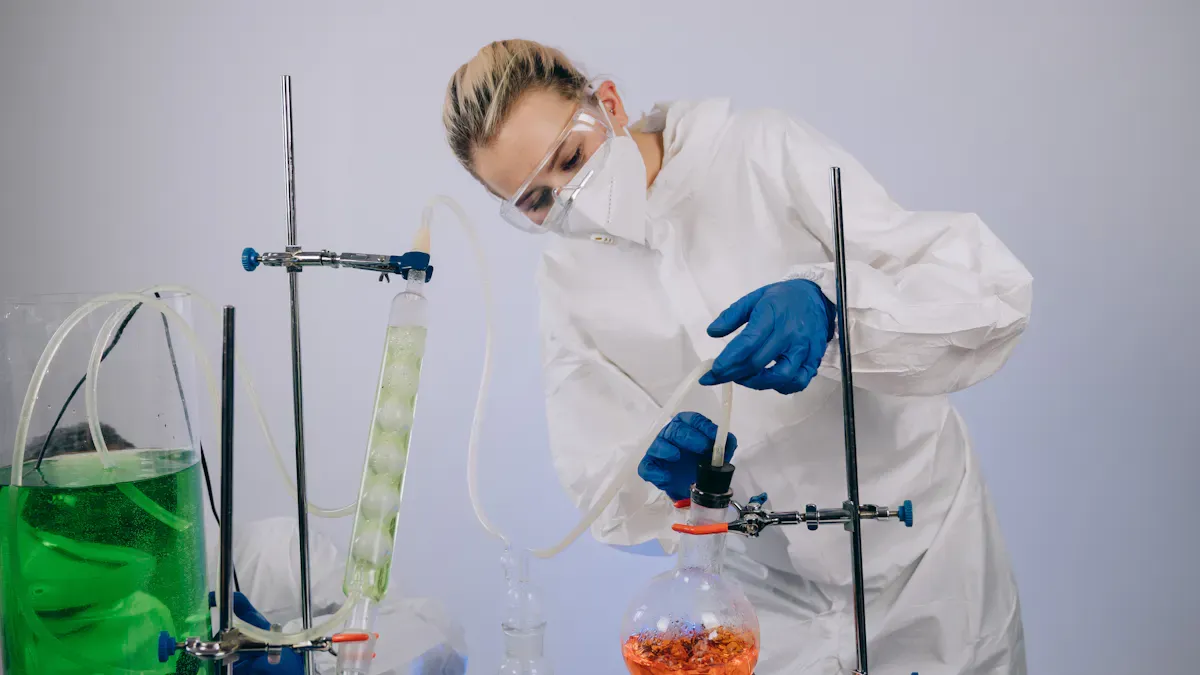
- Equip yourself with personal protective equipment (PPE) such as gloves, masks, and goggles. These items are crucial for protecting yourself while cleaning.
- Only trained professionals should handle hazardous chemicals. This minimizes the risk of accidents and ensures that safety precautions are followed.
Remember, safety first! Understanding the SDS can significantly enhance your workplace safety.
Environmental Impact
The environmental impact of industrial cleaning chemicals cannot be overlooked. Many cleaning products can disrupt wastewater treatment processes. For instance, the presence of certain chemicals can upset the microbial balance necessary for effective biological treatment. This can lead to inefficiencies in breaking down pollutants, which is not only harmful to the environment but can also affect user health.
Here are some considerations regarding environmental safety:
- Much of the world’s wastewater comes from industrial and commercial sources. Choosing eco-friendly cleaning chemicals can help reduce this impact.
- Using non-toxic and non-corrosive cleaning products promotes a healthier indoor environment. This is especially important for facilities that prioritize employee well-being.
- Adopting green practices can enhance your business’s image as environmentally responsible, which is increasingly important in today’s market.
Surface Recommendations for Industrial Cleaning
Choosing the right cleaning chemicals for different surfaces is crucial. Each type of surface has unique properties that can affect how well a cleaner works. Let’s break down the recommendations for metal, plastic, and glass/ceramic surfaces.
Metal Surfaces
When it comes to cleaning metal surfaces, compatibility is key. Here are some factors to consider:
- Identify the type of metal to determine the appropriate cleaner.
- Understand the properties of the chemicals:
- Acidic cleaners can effectively remove mineral deposits but may damage some materials.
- Alkaline cleaners work well for grease and oil but can harm certain surfaces.
- Solvent-based cleaners are great for oil and grease but may be flammable.
- Surfactants help break down dirt and grease.
- Consider environmental factors that may affect cleaning.
- Test compatibility to ensure the cleaner does not damage the surface and assess its effectiveness.
- Follow dilution and application procedures as per the manufacturer’s instructions.
For aluminum surfaces, specialty chemicals like Aluclean 26, a caustic-based degreaser, are tailored for effective cleaning. Water-based solutions are also great for removing organic stains like grease and oil build-up. Products like Aluclean AC-C and Aluclean 195 are recommended for cleaning aluminum, as they effectively remove rust-proof oil and dust without etching the surface.
Plastic Surfaces
Plastic surfaces require special attention. Certain chemical cleaners can be damaging or caustic. Here are some tips for cleaning plastics:
- Avoid abrasive cleaners, as they can scratch and damage delicate materials.
- Opt for gentle, non-corrosive cleaning solutions that are specifically designed for plastics.
- Always test a small area first to ensure compatibility.
Using the right gear, like soft cloths and non-abrasive sponges, can help maintain the integrity of plastic surfaces while cleaning.
Glass and Ceramics
Cleaning glass and ceramic surfaces can be straightforward if you choose the right products. Here are some effective options:
- Oleonix Disinfectant: This cleaner is effective on glass and ceramic surfaces, combating a wide range of bacteria and viruses.
- Teepol Multi-Purpose Detergent: Safe for glassware and ceramics, this cleaner helps prevent water spots on dried surfaces.
Using these recommended products can help you achieve a sparkling clean without damaging your surfaces. Always remember to follow the manufacturer’s instructions for the best results.
By understanding the specific needs of each surface type, you can select the right cleaning chemicals that ensure safety and effectiveness in your facility.
Choosing the right industrial cleaning chemicals is vital for safety and effectiveness. Remember to consider the environmental impact of your choices. Using neutral cleaning chemicals can minimize risks to both equipment and operators. Take the time to research and select the best options for your facility, including effective food surface sanitiser.
FAQ
What are the main benefits of using eco-friendly products in industrial cleaning?
Eco-friendly products reduce environmental impact and promote safety for workers. They minimize harmful chemical exposure and support sustainable practices.
How can I ensure the safety of my staff while using industrial cleaning chemicals?
Always provide PPE and follow safety precautions outlined in Safety Data Sheets. Training staff on proper handling is crucial for maintaining safety.
Are there specific cleaning chemicals for different surfaces?
Yes! Different surfaces require tailored cleaning chemicals. Always check compatibility to avoid damage and ensure effective cleaning.
See Also
A Comprehensive Guide to Selecting Top Concrete Sealers
2025 Guide to Concrete Dust Sealers for Businesses
Selecting the Right Concrete Densifier for Warehouse Floors
The Definitive Guide to Concrete Sealers for Industrial Floors